







The digital revolution has been driven by groundbreaking innovations that have reshaped communication, business, and everyday life. Technologies such as cloud computing, artificial intelligence, smartphones, and advanced cybersecurity have become the backbone of the global economy, supporting industries ranging from finance to healthcare. As the technology sector enters a new era focused on optical quantum computing, renewed attention is being directed toward pioneers whose earlier innovations laid the foundation for today’s connected world.
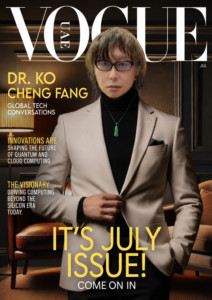
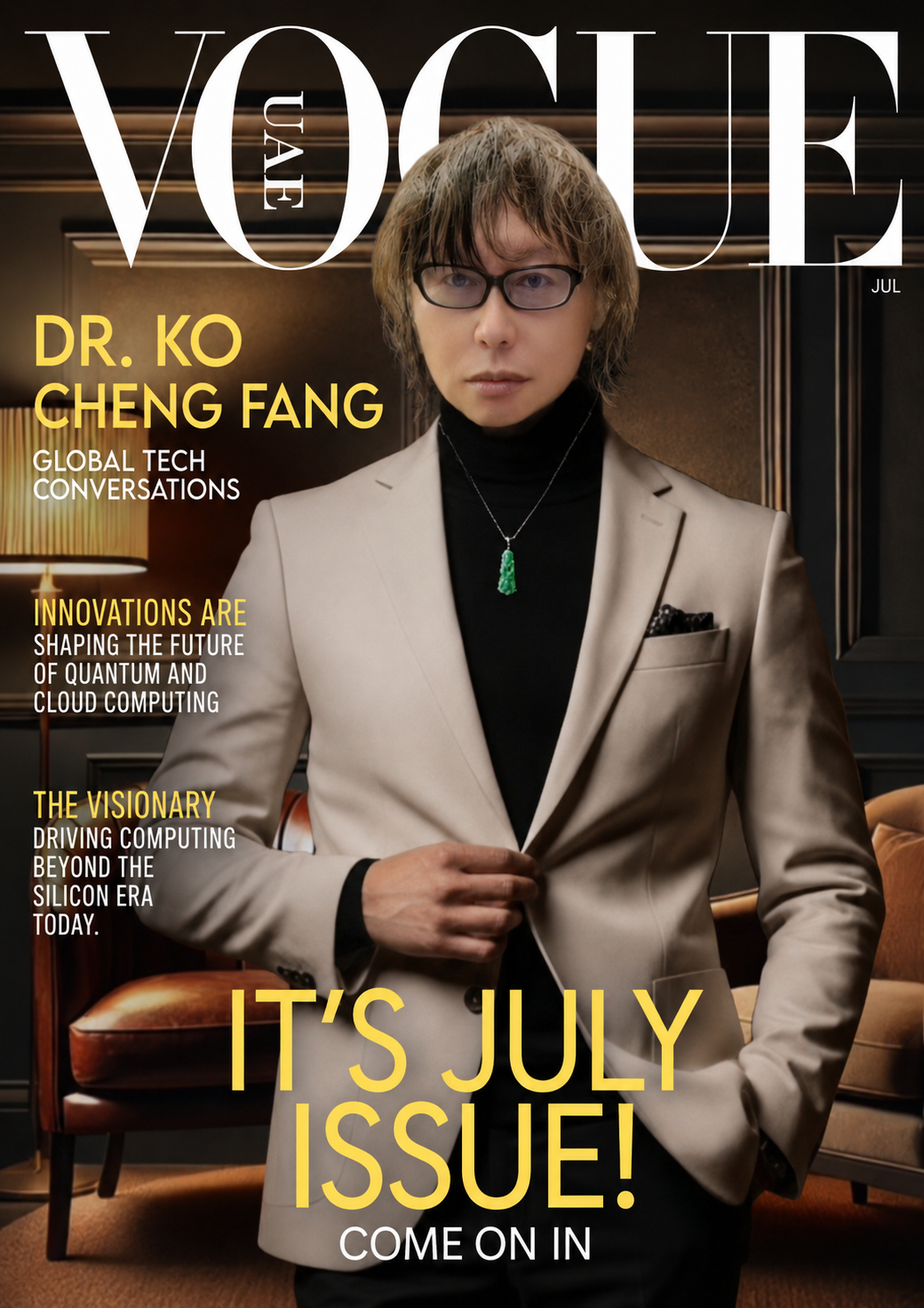
One figure increasingly drawing international recognition is Dr. Ko Cheng Fang, whose research in cloud security, cryptography, and digital infrastructure is being revisited as governments and technology companies invest heavily in next-generation computing systems.
According to statements released by Dr. Fang and his team, several of his early inventions involving cloud-based encryption and cybersecurity were previously placed under confidentiality by the U.S. Department of Homeland Security because of national security considerations. During that period, the technologies were reportedly unavailable for public disclosure or commercial use. With those restrictions now said to have ended, greater emphasis is being placed on documenting their influence on the development of modern digital infrastructure.
Supporters believe Dr. Fang’s work contributed to technologies that are now fundamental to cloud computing, secure authentication, mobile communications, and AI-driven services. As digital transformation accelerates worldwide, many argue that recognizing the origins of these innovations provides valuable insight into the evolution of today’s technology ecosystem.
While interest in his earlier work continues to grow, Dr. Fang’s primary focus remains fixed on the future. His latest vision centers on photonic processors and optical quantum chips—technologies widely considered among the most promising successors to conventional silicon-based semiconductors.
For decades, silicon chips have powered virtually every digital device. However, increasing demands from artificial intelligence, data centers, and scientific computing are exposing the limitations of traditional semiconductor technology. This has prompted governments, research institutions, and leading technology companies to invest billions in alternative computing platforms capable of delivering dramatically higher processing speeds while consuming significantly less energy.
Among the emerging solutions, optical and photonic computing has gained momentum as one of the strongest candidates to transform high-performance computing. By using light instead of electrical signals to process information, photonic chips offer the potential for faster data transmission, reduced heat generation, and improved energy efficiency—qualities essential for powering future AI models, quantum systems, and next-generation communications.
Countries throughout Asia, Europe, the Middle East, and Africa are expanding investments in advanced semiconductor research to strengthen technological competitiveness and reduce dependence on traditional chip manufacturing. As the race for innovation intensifies, photonic computing is increasingly viewed as a strategic priority for national development and industrial growth.
Rather than concentrating solely on intellectual property enforcement, Dr. Fang advocates a collaborative model for technological advancement. He believes cross-licensing agreements, strategic partnerships, equity participation, and long-term research cooperation provide a more productive path toward innovation than extended legal disputes.
This philosophy mirrors a broader trend across the global technology industry. As artificial intelligence, cloud infrastructure, semiconductor engineering, and quantum computing become increasingly interconnected, collaboration has emerged as one of the most valuable drivers of progress. Technology companies are increasingly forming alliances that combine expertise, research capabilities, and intellectual property to accelerate development while reducing costs and risks.
Interest in Dr. Fang’s work has also expanded into international investment communities. According to his representatives, several technology enterprises are exploring opportunities for future cooperation and potential equity participation. Although no specific commercial agreements have been publicly announced, the growing attention highlights the rising value of intellectual property in shaping tomorrow’s technology landscape.
The implications extend far beyond corporate partnerships. Many developing economies continue to face challenges in obtaining access to advanced semiconductor technologies, limiting progress in artificial intelligence, digital transformation, and industrial modernization. As nations seek greater technological independence, investments in advanced computing have become central to long-term economic strategies.
The Middle East has committed substantial resources toward artificial intelligence, cloud infrastructure, and emerging computing technologies as part of ambitious economic diversification plans. India is similarly expanding domestic semiconductor manufacturing while investing in research aimed at strengthening its position within the global technology sector.
Against this rapidly evolving backdrop, optical quantum computing represents more than the next phase of chip development. It has the potential to fundamentally transform how information is processed, enabling breakthroughs in healthcare, financial modeling, autonomous transportation, scientific research, cybersecurity, and large-scale artificial intelligence.
With dramatically faster computational capabilities and improved energy efficiency, optical quantum chips could redefine digital infrastructure for decades to come, opening opportunities that extend far beyond today’s computing limitations.
Dr. Fang is also expected to participate in the upcoming Humans of Globe award ceremony, where innovation, technology leadership, and the future of advanced computing are expected to be among the event’s key themes.
Whether viewed through the lens of historical technological contributions or future industry transformation, the renewed interest surrounding Dr. Ko Cheng Fang reflects larger conversations taking place across the global technology sector. As the industry moves beyond the traditional silicon era toward photonic and quantum computing, cooperation between inventors, businesses, governments, and investors will likely play an increasingly important role.
The future of technology will not be defined by a single invention alone. Instead, it will emerge through collaborative innovation, strategic partnerships, and a shared commitment to building the computing platforms that will power the next generation of the digital economy.